



Types of Climbing Holds: A Beginner’s Guide to Rock Wall Grips


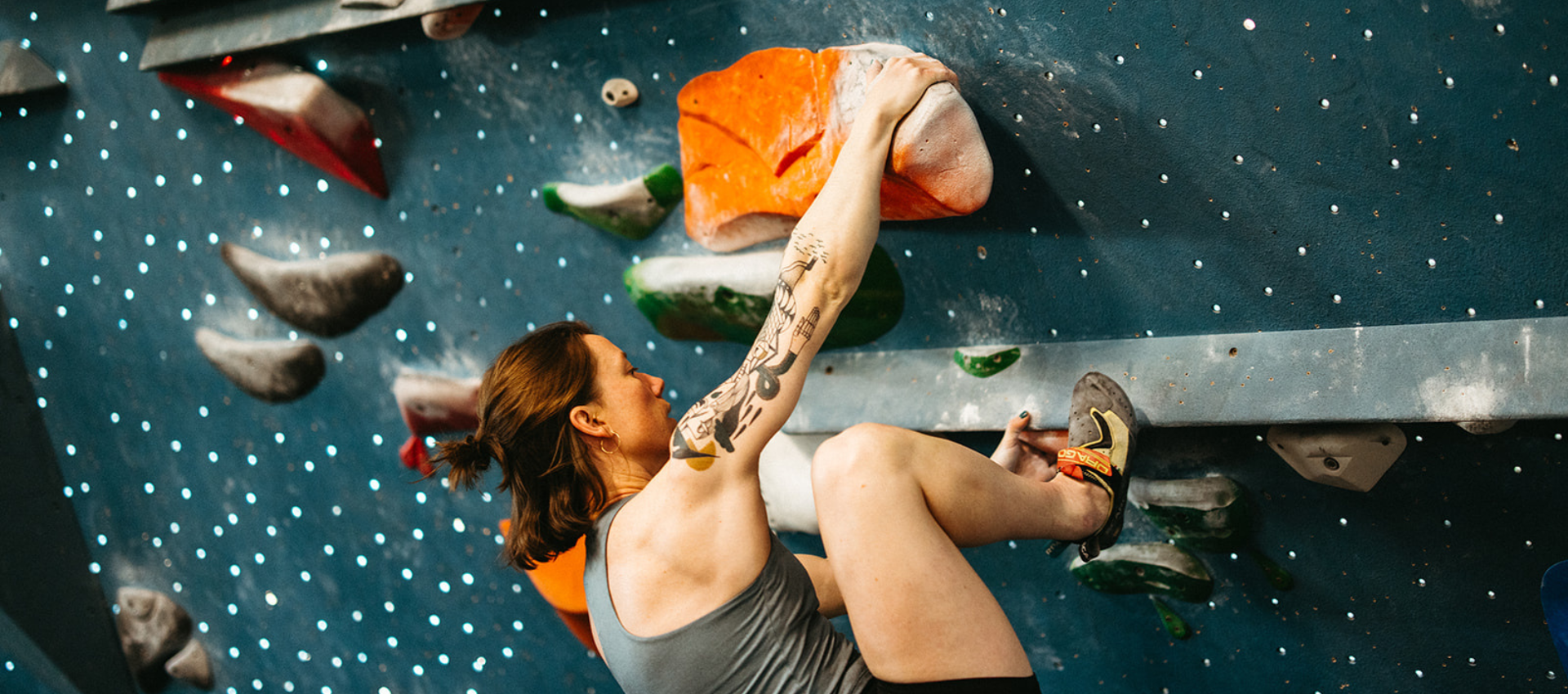
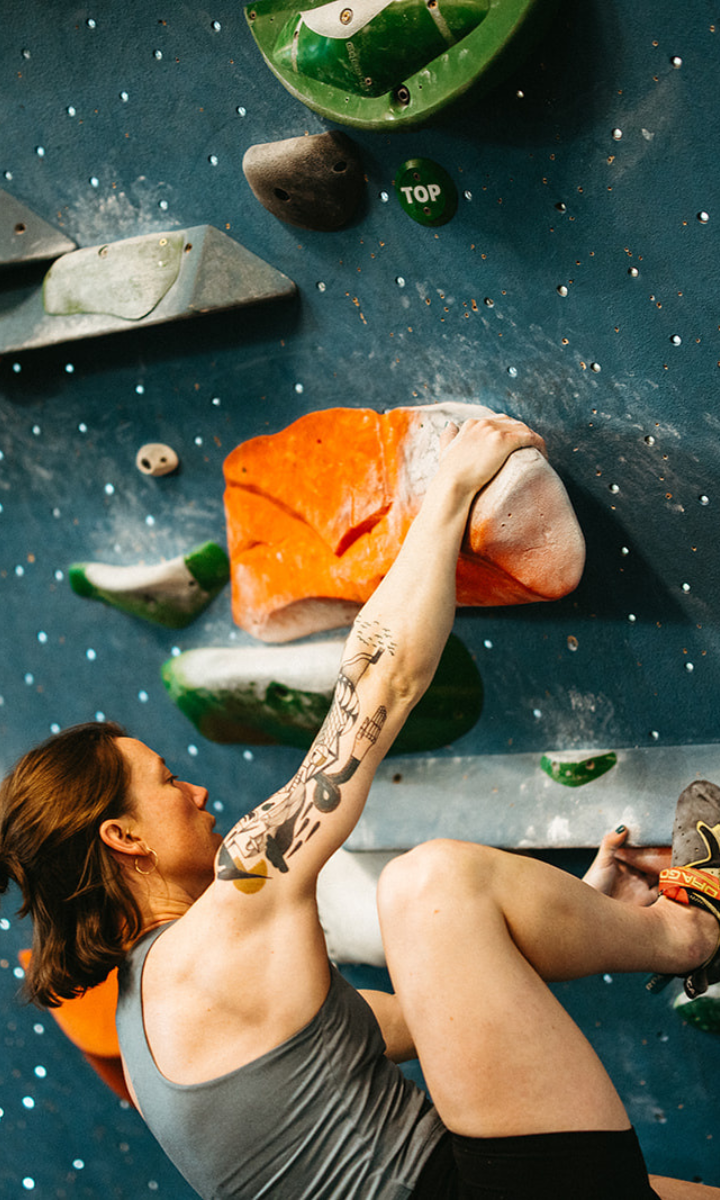
If you’ve ever looked up at a bouldering climbing wall and wondered, “How do people know what to grab?” – you’re not alone. Those colorful shapes dotting the wall? They’re known as climbing holds, and they’re your invitation to explore movement, challenge gravity, and start building your own climbing experience.
In this guide, we’ll break down the most common types of rock climbing holds you’ll find in a climbing gym, and how understanding them can support your growth – whether you’re new to climbing, coming in from hiking, or chasing new goals on your climbing journey.
What Are Climbing Holds?
Climbing holds (also called grips or hand holds) are the features placed on walls – often made of polyurethane or other durable materials -that mimic real rock. They’re designed to challenge your balance, strength, and creativity.
Understanding the various types of climbing hold shapes can help you read problems more clearly and climb with intention.
Common Types of Rock Climbing Holds
Here are a few of the hold types you’ll encounter in our gyms and out in the wild:
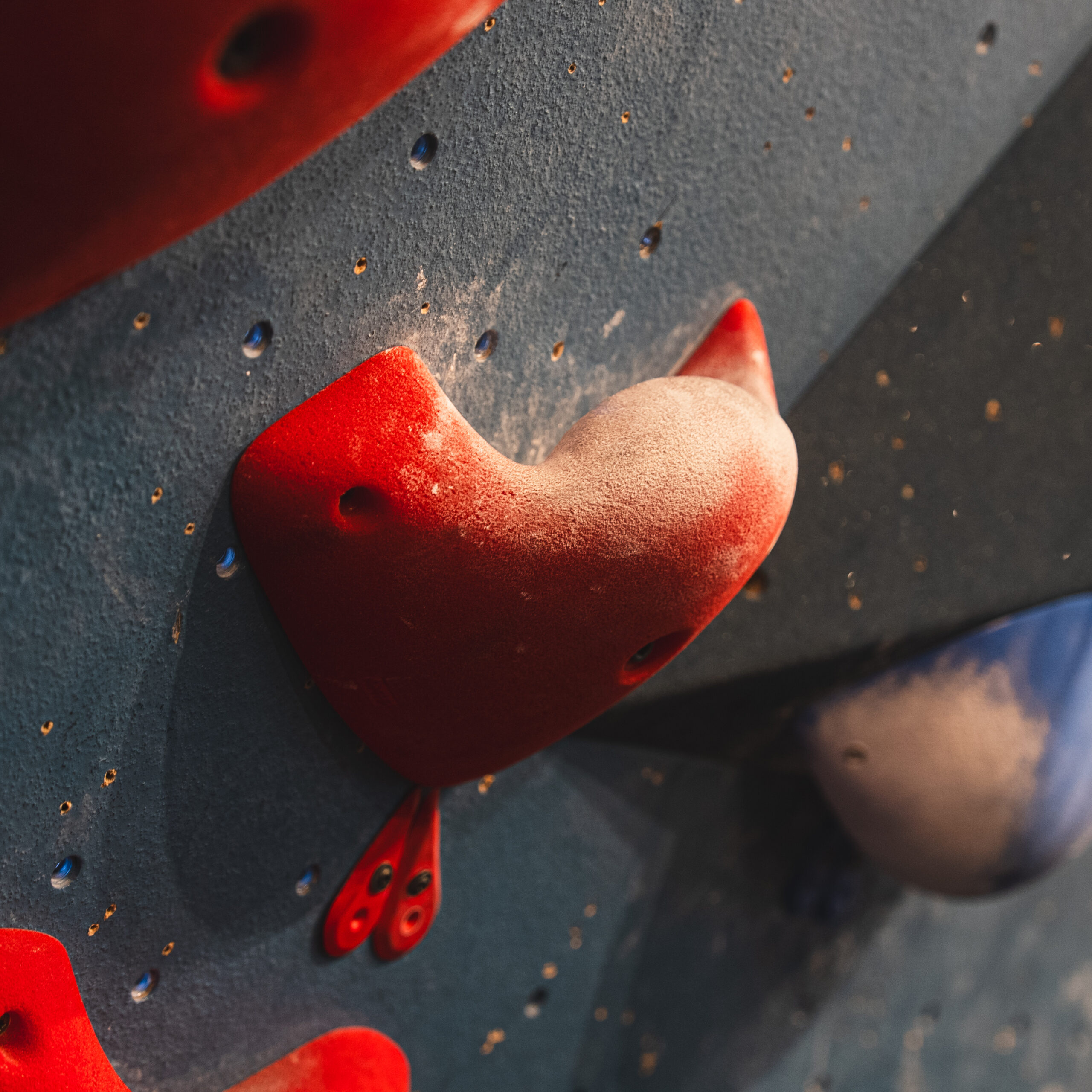
1. Jugs
Big, friendly holds you can wrap your whole hand around. These are perfect for beginners, warm-ups, and recovery moves on tough boulder problems. They offer comfort and allow you to focus on body movement over grip strength. They’re also often used to help introduce overhang climbs (i.e., climbs where you are partially or completely upside down).
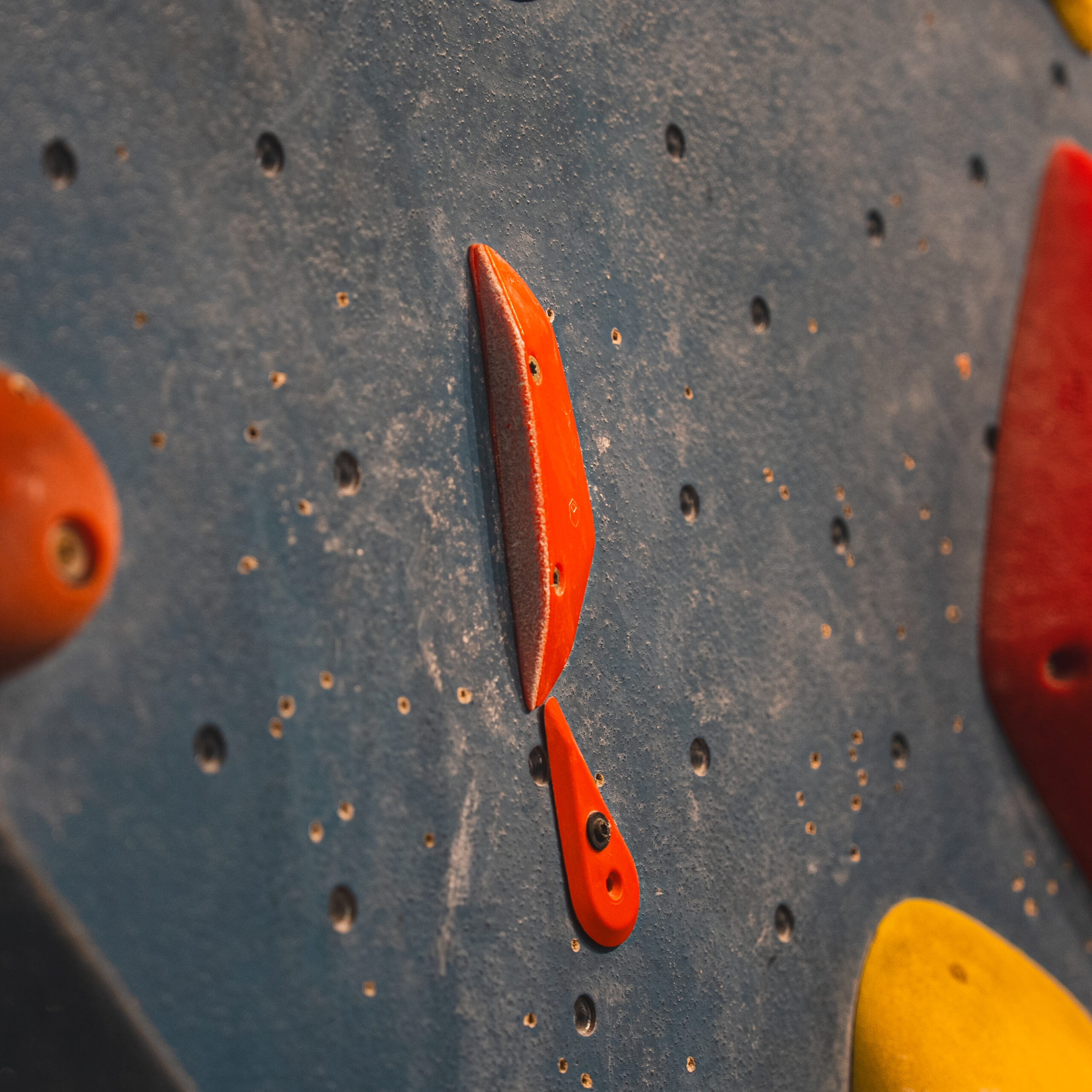
2. Crimps
Tiny ledges that test your fingers and trust. These small holds require tip-to-tip tension and careful control. Crimps are great teachers of technique and are one of the hold styles that best prepare you for outdoor climbing.
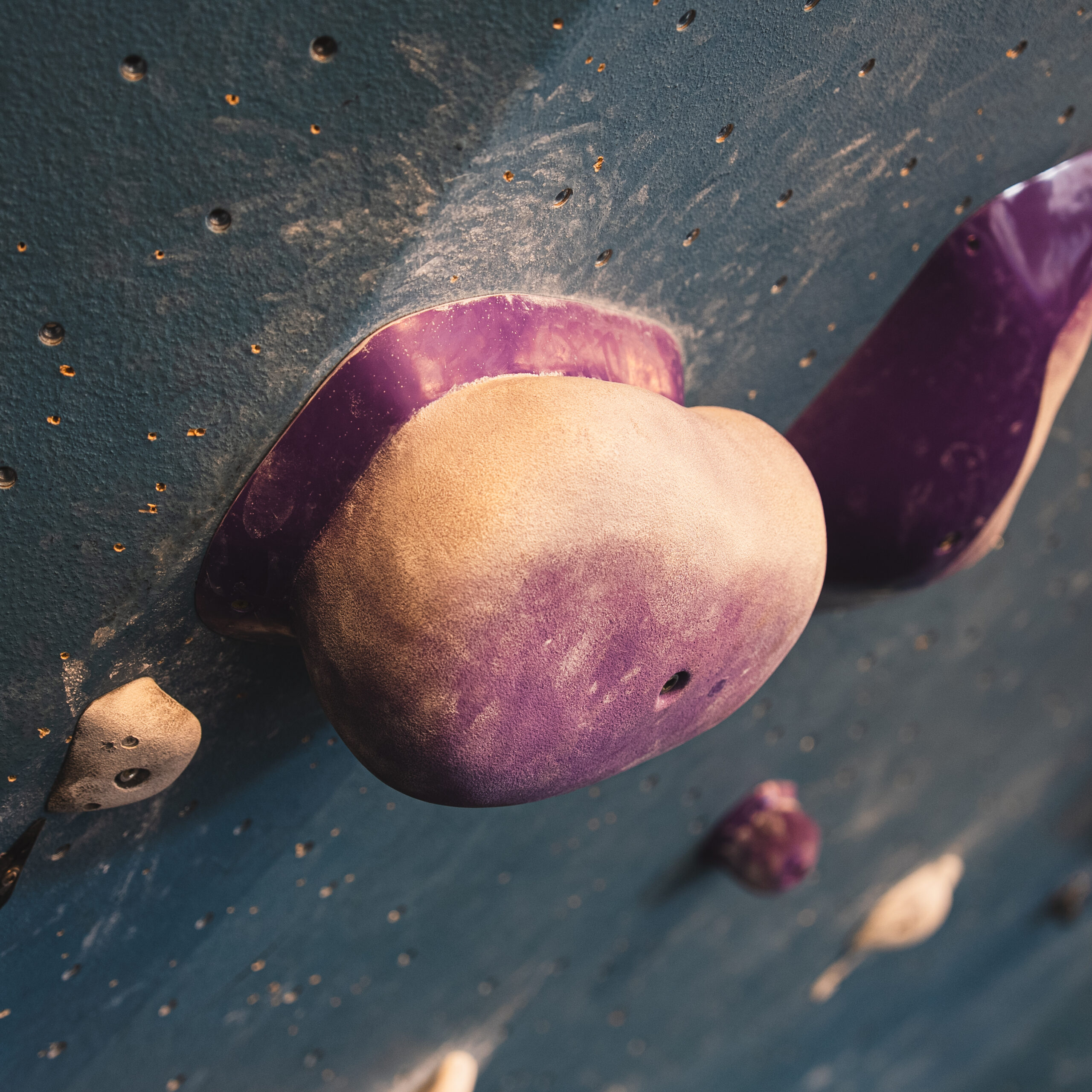
3. Slopers
Smooth and round, slopers offer little friction. You’ll use an open hand grip and rely on subtle shifts in your center of gravity to stay on. They can feel frustrating, but they’re also deeply satisfying once you get the hang of them.
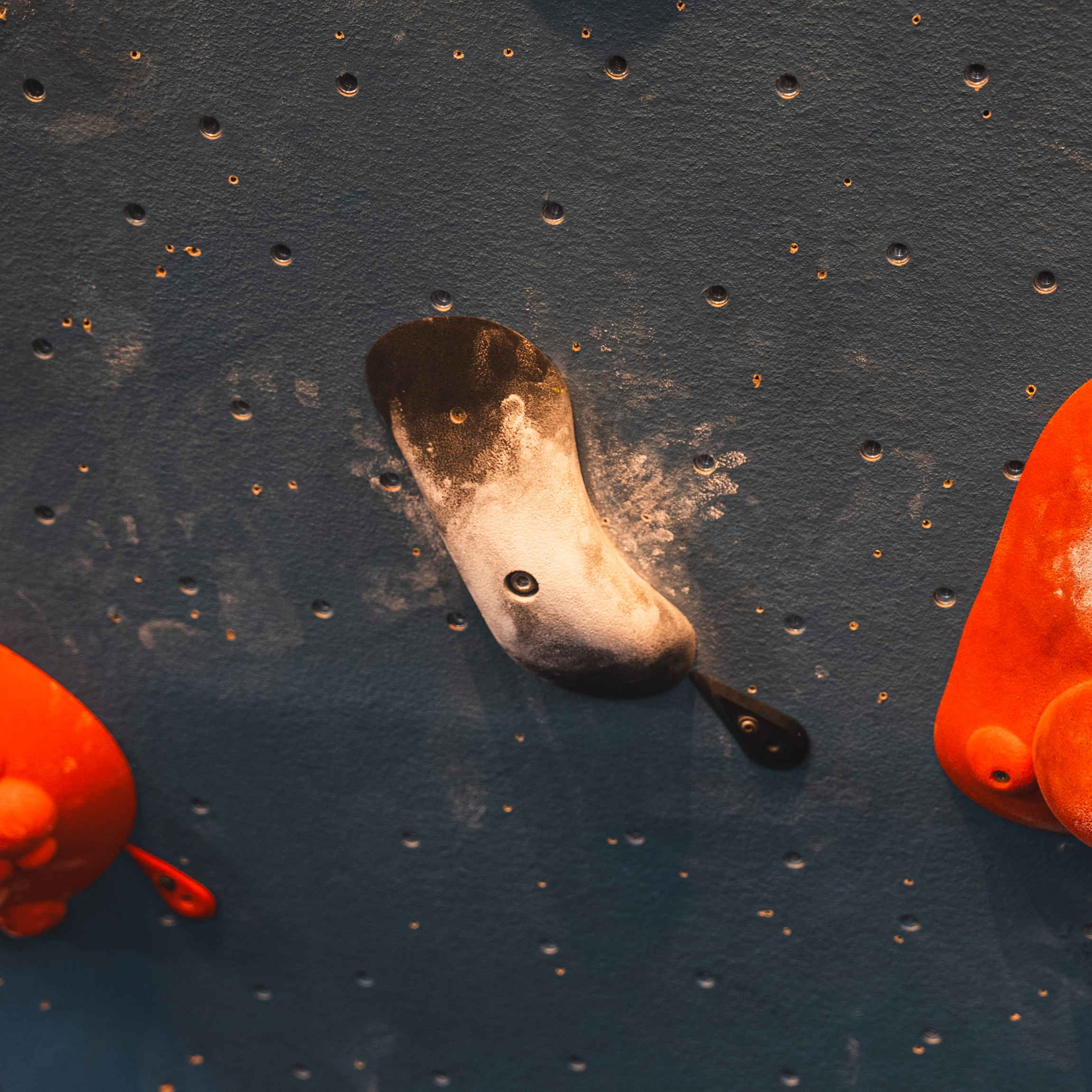
4. Pinches
Exactly what they sound like. These require you to pull with thumb and fingers in opposition, testing your grip and forearm endurance.
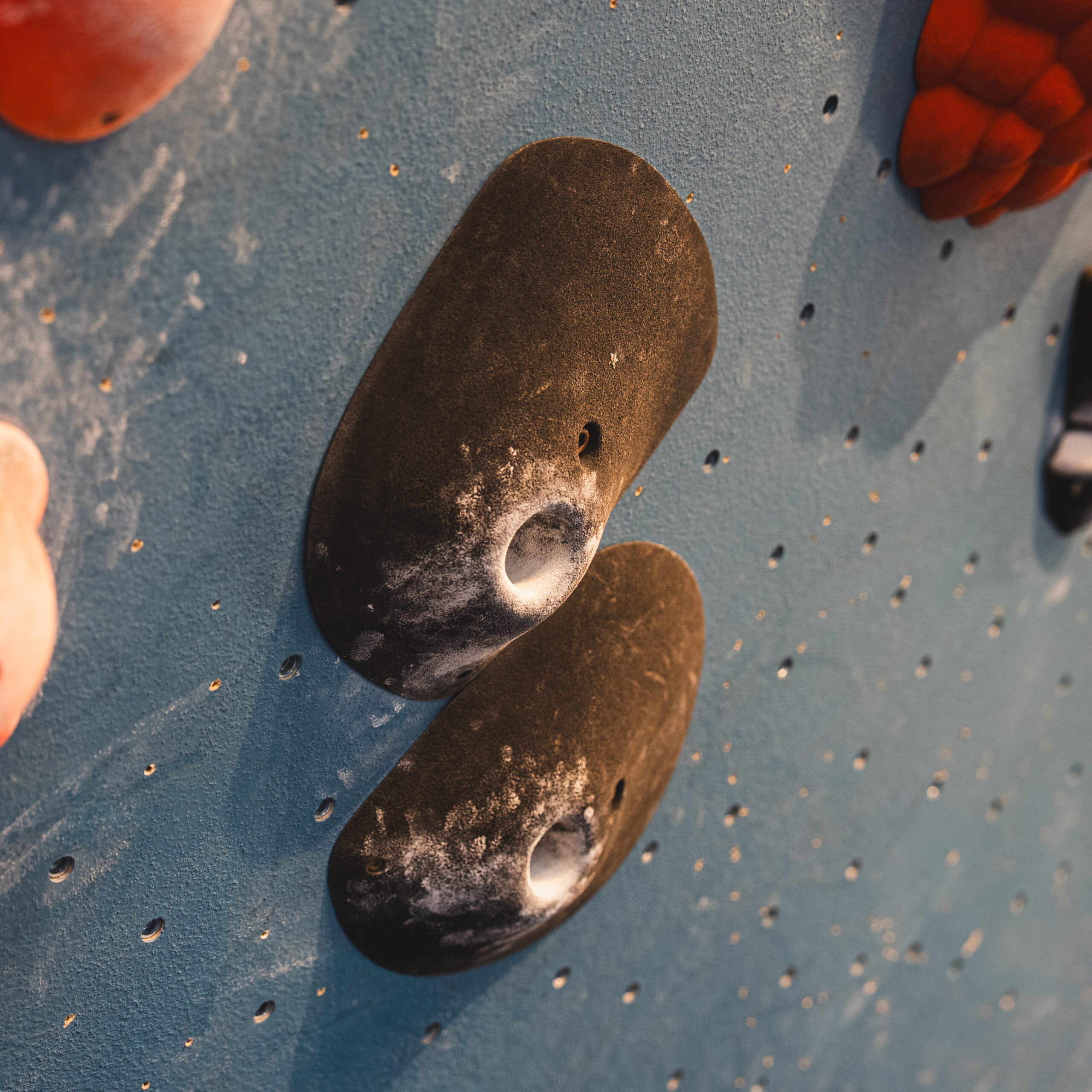
5. Pockets
Circular or oval openings that fit one to three fingers. Used in moderation, pockets can strengthen finger control and body tension. Overused, they can contribute to injury, so approach them mindfully.
The Role of Footwork
Good climbing begins with the foot. The best climbing shoes offer just enough sensitivity and friction to help you feel tiny features beneath you. Learning to place your feet with precision – on any part of the climbing hold, not just the obvious ones – unlocks smarter, more sustainable climbing.
It’s easy to over-grip and rely too much on upper body strength, but seasoned rock climbers know that smartly-placed feet and good body positioning matter even more.
More Than a Workout
Climbing, like the circuits themselves, is layered. One route might focus on coordination, another tests your ability to overcome fear or commit to dynamic movement. And it’s not just for aspiring pros or people prepping for big wall climbing. Even beginners can benefit from understanding bouldering grades, which helps gauge difficulty and track progress. Whether you’re in it for the movement, the problem-solving, or simply want a fun alternative to traditional fitness classes, climbing has something to offer everyone.
Climb With Us
At Bouldering Project, we believe climbing is for every body, at every level. Whether you’re trying your first boulder problem, returning after time away, or looking to level up in your climbing journey, you’ll find a place to learn and grow here.
Come be curious. Test your limits. Discover how a single bolt, a well-placed climbing hold, or a beautifully designed circuit can open up a whole new relationship with movement.
From Beginner to Advanced: Mastering Kilter Board Climbing
Written by: Abbie Chipps Kilter boards are interactive climbing training walls that users control with a smartphone app. They...
How to Choose the Best Rock Climbing Training Board for Your Goals
Written by: Elise Rehberg From finger warm ups to building explosive power, to training climbing technique, training boards are...
Exploring the Power of Hot Fusion Yoga | Bouldering Project
Written by: Elise Rehberg Bouldering Project is a space built around movement for community. An interconnection of climbing, fitness,...
Heated Yoga Benefits: From Flexibility to Mental Clarity
Written by: Elise Rehberg Yoga asks you to stretch, balance, push, pull, and immerse your thoughts into the moment...
Bouldering Walls Explained: Types, Features, and How to Use Them
-Written by: Elise Rehberg Inspired by natural rock walls, climbing gyms are purposeful movement playgrounds with endless opportunities to...
Types of Climbing Holds: A Beginner’s Guide to Rock Wall Grips
If you’ve ever looked up at a bouldering climbing wall and wondered, “How do people know what to grab?”...